icon

Call Now

86-755-26508999

icon

Email

tilo@3nh.com

icon

Time

8:00 AM - 5:30 PM (GMT+8)

Message

Consultation

About Us

3nh specializes in high-precision color measurement instruments, including colorimeters, spectrophotometers, and haze meters, serving industries like textiles, plastics, and coatings. With innovative R&D and global reach, we deliver reliable solutions for color management and quality control, trusted by customers in over 80 countries.

Products

Products Frequently Ask Questions

Yes. We can supply OEM and make customized design for any specific application. Our MOQ for OEM and ODM service is 5 pcs for one model. We can not only offer standard machines, but also customized machines. Don’t hesitate to tell us your requirement, we will try our best to meet your needs.

At most of time, we have stock in the factory. Generally it is 1-3 working days after the payment confirmed. After shipped, we will email you the tracking number. You can check the shipping status of your order on the website. If you are in urgent need, we can consider making special arrangement for you.

A Spectrophotometer color measuring device objectively determines the color of a surface. It is used wherever accurate color matching, reproducibility or deviation control is needed – for example in quality assurance, product development or incoming goods inspection.

Spectrophotometer color measuring devices primarily perform three key tasks:

Capture color information: They detect light reflected, transmitted, or emitted by a sample using optical sensors.
Quantify color data: They convert the captured optical signals into standardized numerical values, such as RGB, CMYK, or CIELAB coordinates.
Compare color consistency: They compare the measured color data of a sample against a target or standard to assess color accuracy and uniformity.


The Colour Assessment Cabinet (CAC) is a controlled environment used for the visual evaluation of color wherein the light sources are consistent.


The most common standard measuring gloss is ASTM D523, which covers the procedures of using a gloss meter at 20°, 60°, and 85° angles. The other international standard that is widely used in industrial and laboratory applications is the ISO 2813.


The repeatability is an important parameter for the accuracy of the colorimeter. Threenh Technology portable colorimeter for color measurements tandard deviation ΔE*ab is within 0.03 (Measurement condition: the average value of 30 measurements on the white board at an interval of 3s after calibration). Each colorimeter can pass the qualified inspection before leaving the factory to ensure it conforms to the standard of China Metrology Institute.

Threenh colorimters are used across various industries to measure, analyze, and control color accuracy and consistency:

Food and Beverages: Monitor color quality in food products to meet industry standards.

Plastics and Polymers: Ensure color uniformity in plastic components (e.g., casings, buttons, panels) during manufacturing.

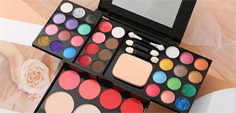
Chemicals and Pharmaceuticals,Cosmetics: Industry-specific accessories to attain the highest safety protocols, Ensure uniform color in pharmaceutical products for quality and brand recognition;Develop and match colors for cosmetics (e.g., lipsticks, creams, powders) and ensure batch consistency.

Textiles and Apparel: Monitor color consistency in fabrics during dyeing, printing, or finishing processes; ensure color consistency in fabrics and garments.

Building materials, Paints, and Coatings: Detect color deviations in coatings on metal, wood, or plastic surfaces (e.g., automotive paints, furniture finishes). Maintain color accuracy in building materials, paints, and coatings.

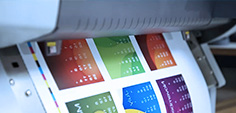
Printing and Packaging: Validate color accuracy in printed materials (e.g., brochures, labels, packaging) against design proofs, maintain consistency across different printing technologies.

By addressing color-related quality control challenges, 3NH colorimeters help industries maintain brand consistency, meet regulatory standards, and enhance customer satisfaction.


Gloss level is not given out in percentage but in gloss units (GU). In practice, however, 100 GU is considered 100 percent reflective. To contrast visually, the 20-40 GU is a low-gloss surface, and 85 or more is almost 100 percent mirror-like reflection.


Compared to an analog model, digital gauges not only provide more accuracy, but also allow for greater repeatability and are easier to work with. Advanced digital gauges allow for features such as data storage and automatic calibration and statistical analysis. For these reasons, digital gauges are the preferred choice for professional applications.


The ΔE (Delta E) formula of the CIELAB color space is usually used to measure color difference. The difference is measured in a colorimeter or spectrophotometer to gauge the level of perceptibility of the difference between two samples in terms of L*a*b*.