icon

Call Now

86-755-26508999

icon

Email

tilo@3nh.com

icon

Time

8:00 AM - 5:30 PM (GMT+8)

Message

Consultation

About Us

3nh specializes in high-precision color measurement instruments, including colorimeters, spectrophotometers, and haze meters, serving industries like textiles, plastics, and coatings. With innovative R&D and global reach, we deliver reliable solutions for color management and quality control, trusted by customers in over 80 countries.

Products

Products Frequently Ask Questions

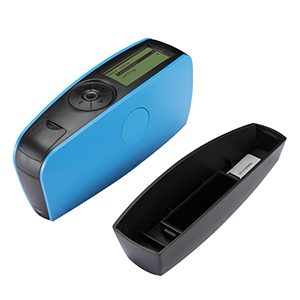
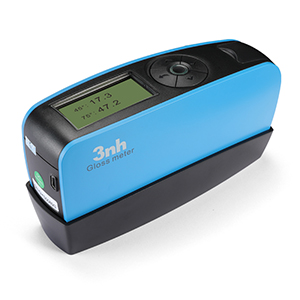
Gloss is a broad term to describe the reflectivity of a surface. Whereas high gloss is a specific term that has the highest reflectance (usually more than 70 GU). High gloss finishes are shiny, mirror-like, and exhibit more surface blemishes than lower gloss finishes.


A calorimeter is used to measure heat that is gained or lost during a chemical or physical reaction. A sample is taken in an insulated container, and a temperature change is measured. This assists in computing the alterations in energy by the equation Q = mcΔT, where Q is heat.


A light booth for color matching usually contains D65 (daylight), TL84 (store), A (incandescent) and UV light. LED may also be used in modern time for additional color matching. 


Yes, we warmly welcome and sincerely invite you or your team to visit our factory, we will help to arrange hotel and pick up you from airport.

Follow the calibration steps form 3nh. Don’t touch the sample and drop the measurement light to eliminate external light.


When detecting color differences, the first factors to consider when selecting a light source include its stability, directionality, lifespan, and the effectiveness of the ultimately obtained spectral curve. The illuminant of a colorimeter is a fixed bulb, such as a tungsten lamp,LED light or a long-life xenon lamp. However, for the same color sample, the results displayed by the instrument vary under different light sources. This is because different light sources cause different absorption and reflection of light on the sample, leading to differences in how both the human eye and the instrument perceive the color. 

In general, the D65 light source is used in the application of coil steel inks for construction. The D65 light source is equivalent to average daylight. Most coil steel inks for construction are used outdoors, and sunlight is regarded as the standard light source in outdoor environments. For household appliance coil steel inks, due to their usage characteristics, they are mostly used indoors. Therefore, the A standard light source is adopted for color measurement of samples based on indoor lighting conditions. The A light source is a carefully specified tungsten light source. Other light sources, such as fluorescent light sources, can be used in many types of applications. For example, some textile factories use fluorescent light sources. Therefore, a reasonable light source should be selected as the mutually recognized measurement method based on actual usage conditions and user requirements. Once agreed upon by both parties, color measurement must be conducted under the same conditions. This helps reduce unnecessary systematic errors and human errors, achieving the optimal consistency in color measurement. 

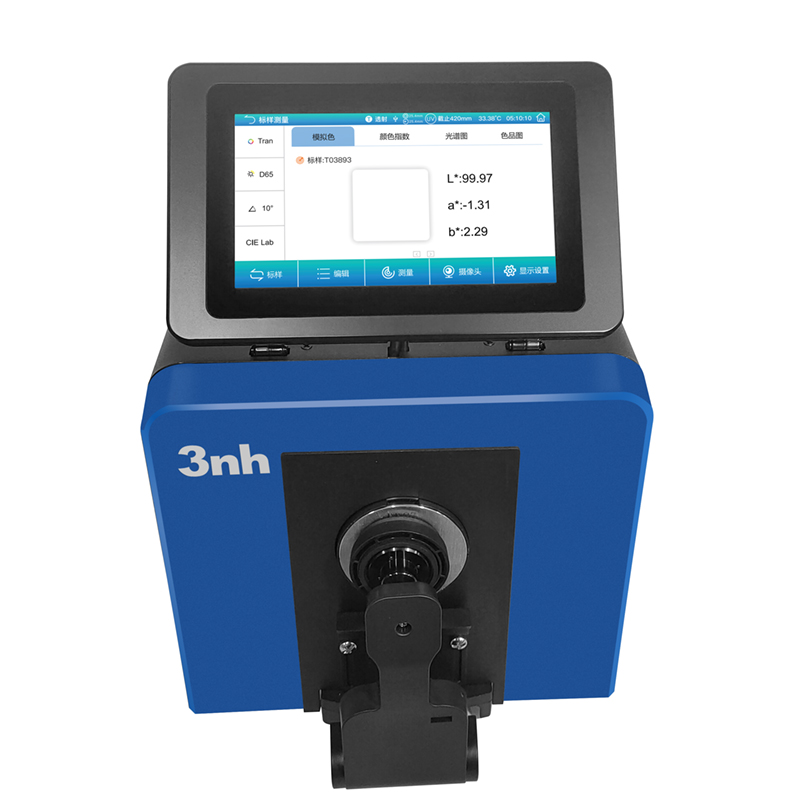
The 3nh high-precision spectrophotometric colorimeter adopts a combined LED light source with long lifespan and low power consumption, which includes UV (ultraviolet) and UV-excluded options. This design can meet the color difference detection needs of different users and supports the selection of multiple light source modes.

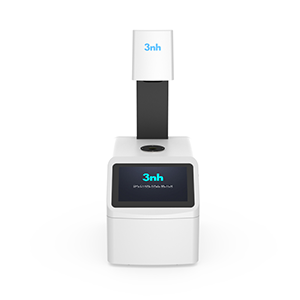
A haze meter measures the light.  It quantifies the measure of transmitted light across a material and the degree of scattered and diffused light.


Ensure the source, viewing angle, and background are all neutral and standardized, and the samples are clean, and positioned for a side-by-side comparison under each light condition.


For accurate results, install a clean and well temperature-regulated booth that is also sheltered from reflective surfaces and direct sunlight. Ambient light in the booth and the surrounding area from where the light is being viewed should not mix.


Zero calibration of a hazemeter is a critical pre-measurement procedure to ensure the instrument’s accuracy by resetting its baseline to "zero" when no haze or light attenuation is present.

  1. Align the hazemeter’s measurement window with air or a black background, ensuring no objects block the window.

  2. Press the hazemeter’s zero calibration button and wait for the instrument to complete automatic calibration. At this point, the instrument should display a zero haze value and a zero light transmittance value.

  3. Observe the instrument’s display to confirm the zero calibration result stabilizes near zero. If the zero calibration is inaccurate, repeat the above steps multiple times until the displayed haze and light transmittance values stabilize near zero.

Perform 0-degree calibration before testing, this eliminates inherent instrument drift, environmental interference, or residual signal errors, ensuring subsequent measurements of transparent/translucent samples (e.g., plastic films,pvc, glass, coating, displays and cosmetic packaging) are reliable. Correct for minor instrument deviations caused by long-term use, temperature changes, or power fluctuations.