Call Now
The best tool for measuring clear coat thickness is an ultrasonic coating thickness gauge. It is capable of measuring the thickness of each layer of paint on the vehicle, even the clear coat. This is common in automotive refinishing and inspection.
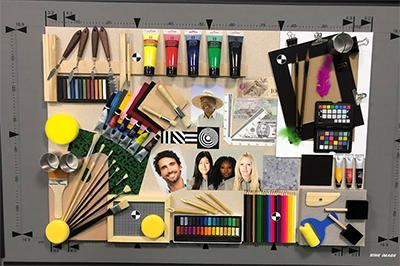
An 18% gray background reduces distractions and color bias, helping in a more accurate assessment.
Yes. Ultrasonic coating thickness gauges can pinpoint layers within a multi-coat system. Users can examine the separate thicknesses of a primer, base coat, and clear coat. In contrast, magnetic and eddy current gauges usually measure the overall thickness of the coating.
Haze captures the scattering of light, transmittance measures the light that passes through a said material.
For a proper color evaluation, ensure cleanliness, use standardized observation conditions, eliminate stray light, and periodically change the lamps.
Replace when the total hours exceed rated life, decrease in brightness, or the color temperature shifts beyond tolerance.
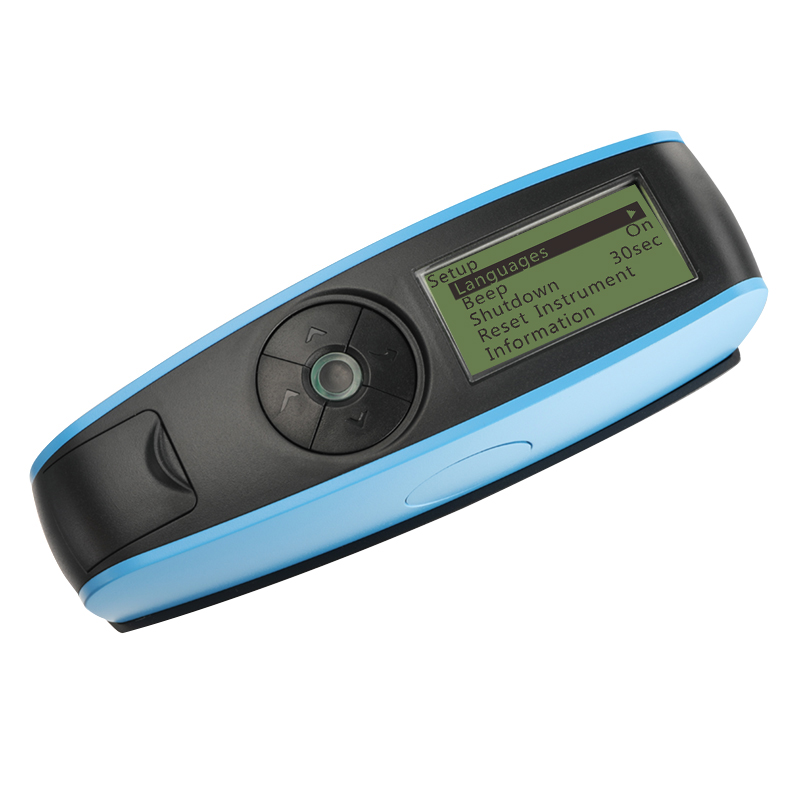
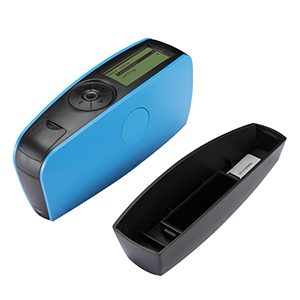
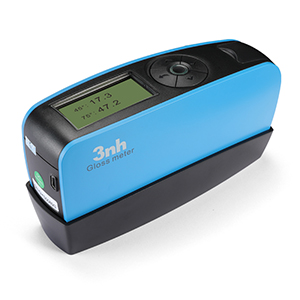
The number of reflected light is a measure assigned by a gloss meter as a gloss unit (GU). It is a normalized quantity in which 100 GU is normally a perfect reflection at 60°, and 0° GU is a full diffusion.
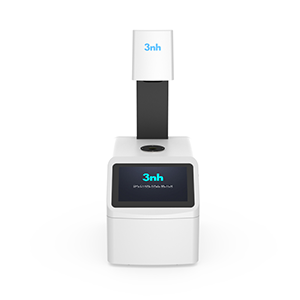
Set the 3nh booth in a tidy, stable position with neutral, clean surroundings, adequate airflow, and a reliable power source, and position it away from direct sunlight or mirrors.
Powder paint gloss levels are commonly classified as:
● Flat/Matte: 0–10 GU
● Satin: 10–40 GU
● Semi-Gloss: 40–70 GU
● Gloss: 70–85 GU
High Gloss: 85+ GU
These ranges can vary by manufacturer and application angle.
The five common gloss levels are:
1. Flat/Matte (0–10 GU)
2. Eggshell (10–25 GU)
3. Satin (26–40 GU)
4. Semi-gloss (41–70 GU)
High Gloss (71–100+ GU)
These levels vary slightly depending on industry and standards used.