icon

Call Now

86-755-26508999

icon

Email

tilo@3nh.com

icon

Time

8:00 AM - 5:30 PM (GMT+8)

Message

Consultation

About Us

3nh specializes in high-precision color measurement instruments, including colorimeters, spectrophotometers, and haze meters, serving industries like textiles, plastics, and coatings. With innovative R&D and global reach, we deliver reliable solutions for color management and quality control, trusted by customers in over 80 countries.

Products

Products Frequently Ask Questions

D/8°and 45°/0°are two kinds of illumination geometry with different optical geometry design. D/8°illumination geometry is more widely used for the color comparison and measurement of high-gloss materials; 45°/0°illumination geometry is mainly used in printing and packaging industries. 

Usually you will find haze and transmittance standards of ASTM D1003, ISO 13468, & JIS K7105.


Accurate readings can be obtained by keeping the sample clean, regular calibration, control of ambient light and appropriate measurement settings.

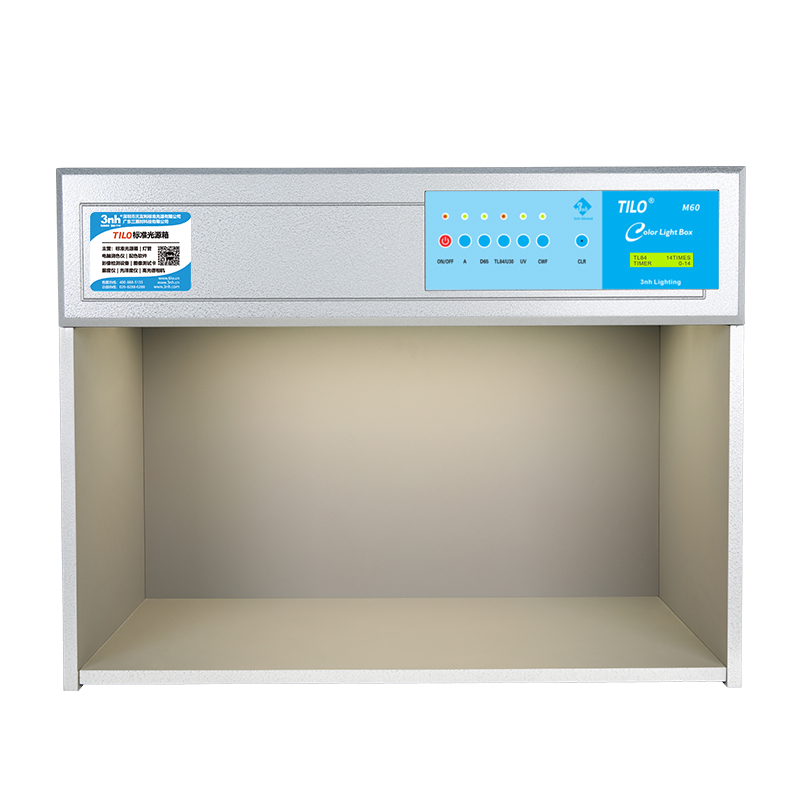
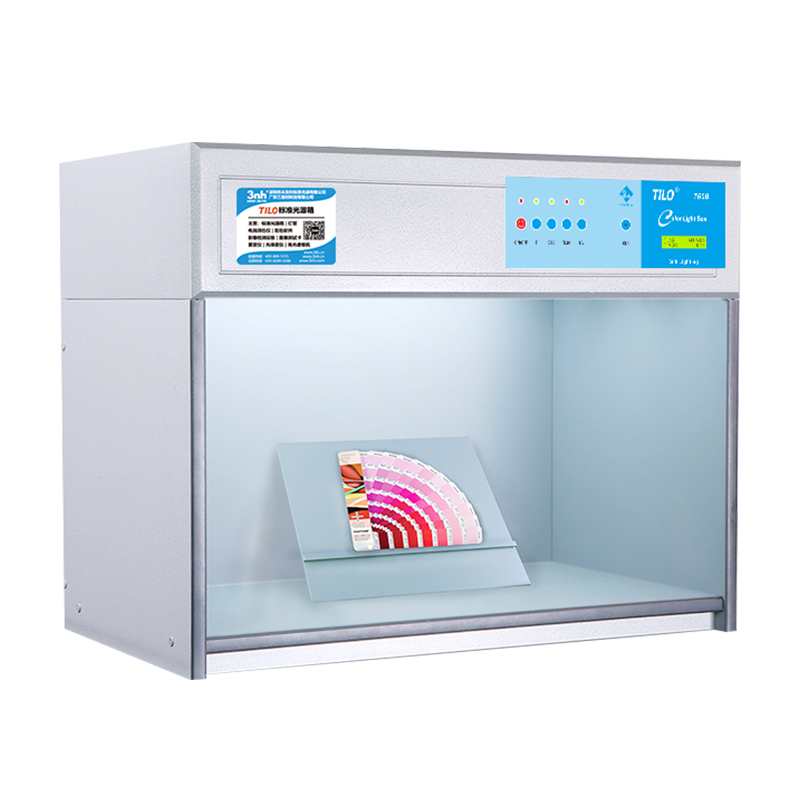
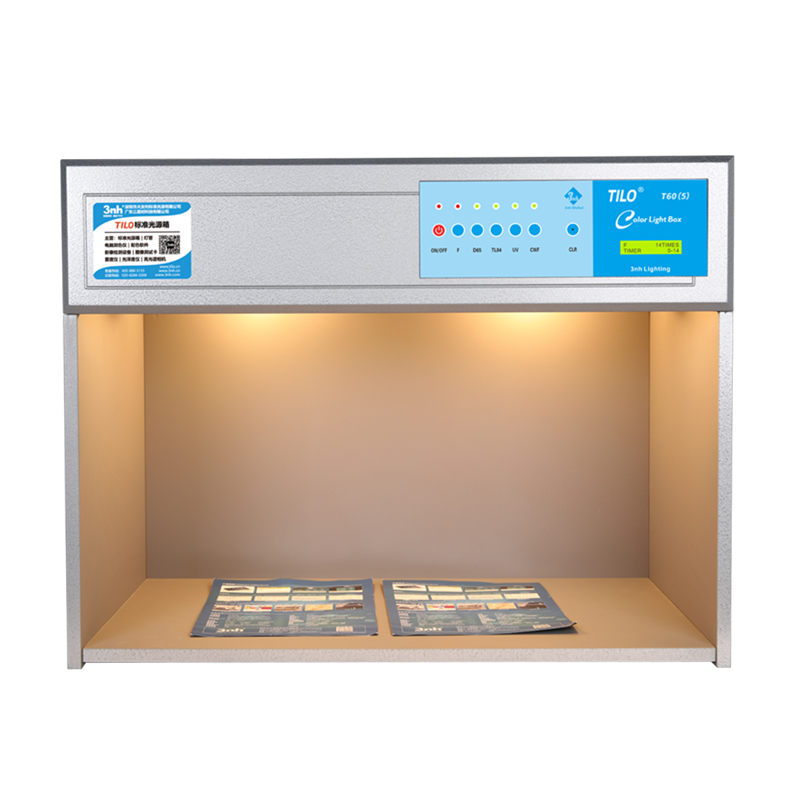
For complete color evaluation, the CAC is commonly outfitted with D65 (daylight), TL84 (store light), F (home light), UV, and CWF (cool white fluorescent) lamps. 


A light booth for color matching usually contains D65 (daylight), TL84 (store), A (incandescent) and UV light. LED may also be used in modern time for additional color matching. 


Follow the calibration steps form 3nh. Don’t touch the sample and drop the measurement light to eliminate external light.


In industrial production and quality control, color consistency is one of the core elements determining product quality. Whether it is the metallic paint for automobile coating, the dyeing effect of textile fabrics, or the ink matching in packaging and printing, subtle color deviations may lead to cost waste or damage to brand image.

The LAB color space defines colors with a three-dimensional model:

  1. Lightness (L): It indicates the lightness or darkness of a color, ranging from 0 (pure black) to 100 (pure white).

  2. Hue and Saturation (a and b):

    • The a-axis represents the red-green tendency, with positive values leaning towards red and negative values leaning towards green;

    • The b-axis represents the yellow-blue tendency, with positive values leaning towards yellow and negative values leaning towards blue.

It is a globally recognized standard and supported by most modern color measurement equipment. Color is quantitatively analyzed by measuring Lab values with instruments.


Haze captures the scattering of light, transmittance measures the light that passes through a said material.


A colorimeter measures the amount of light and the wavelength that is absorbed by a solution. It is a sign that colored compounds are present and the level of their concentration. It is applied in the laboratory and industry to check the concentrations of chemicals, the color of products, and purity.


A calorimeter is used to measure heat that is gained or lost during a chemical or physical reaction. A sample is taken in an insulated container, and a temperature change is measured. This assists in computing the alterations in energy by the equation Q = mcΔT, where Q is heat.